How to Clean Around Faucet Bases and Sink Edges

- Faucet bases and sink edges collect moisture and residue quickly because water and products settle into tight seams throughout the day.
- Small detail areas often make a bigger difference in how clean a kitchen or bathroom feels than larger visible surfaces.
- Letting cleaning solution sit before scrubbing helps loosen buildup more effectively and reduces the need for harsh cleaning.
- Drying sink edges and faucet bases after cleaning helps prevent hard water spots, grime buildup, and lingering moisture.
- Simple habits like wiping surfaces regularly and addressing residue early can keep sinks looking cleaner between deep cleanings.
Some of the dirtiest spots in a home are also the easiest to overlook. Faucet bases and sink edges collect moisture, soap residue, toothpaste, hard water buildup, and grime that slowly settles into seams and tight corners. Even after a general wipe-down, these areas can still look dull or stained. That is one reason many homeowners who use a home cleaning service in Ankeny pay closer attention to these detail zones, since they tend to affect how clean the entire bathroom or kitchen feels.
The good news is that with the right method, your faucet base and sink edges can be cleaned more effectively without constant scrubbing.
Why do faucet bases and sink edges get dirty so quickly?
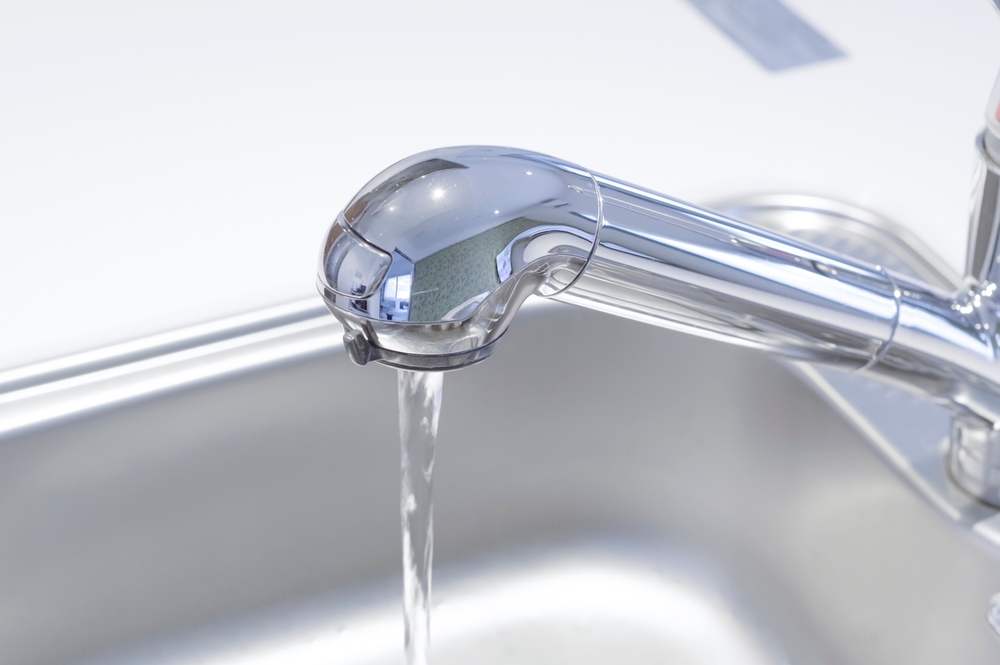
These areas deal with constant moisture and product buildup throughout the day. Because they are used so often, grime tends to collect faster than most people realize.
1. Water settles into seams
Most faucets have small gaps around the base where water naturally pools after use. Over time, that moisture traps soap residue, dust, and mineral deposits that become harder to remove. Damp areas in kitchens and bathrooms can also contribute to bacteria and mold growth when moisture is consistently left untreated. These narrow seams are also difficult to reach with standard cleaning tools.
2. Soap and toothpaste leave residue behind
Bathroom and kitchen sinks are exposed to products multiple times a day. Toothpaste, hand soap, lotion, and cleaning products can leave behind a thin film around sink edges even after the surface appears wiped down. As this residue builds up, the sink area may start looking dull or dirty again very quickly.
3. Tight corners are easy to miss during cleaning
Many people focus on visible surfaces while skipping the small corners where buildup actually collects. Grime often settles around the back of the faucet or where the sink meets the countertop. Because these areas are less noticeable, dirt gradually accumulates over time.
What is the best way to clean around faucet bases?
The goal is to loosen buildup first instead of aggressively scrubbing the surface dry.
1. Apply a warm cleaning solution first
Warm water combined with a gentle cleaning solution helps soften soap scum and mineral deposits around the faucet base. Letting the solution sit for a few minutes makes buildup easier to wipe away. This approach is usually safer for faucet finishes than harsh scrubbing.
2. Use smaller tools for detailed areas
Microfiber cloths, soft toothbrushes, or small detail brushes work best for narrow seams and corners. These tools can reach under faucet edges and into areas larger sponges often miss. Using short, controlled motions helps lift grime more effectively.
3. Dry the area after cleaning
Moisture left behind after cleaning can quickly attract new buildup. Drying the faucet base and sink edges with a clean microfiber towel helps keep the area looking cleaner longer. This simple step also helps reduce hard water spotting.
How can you keep sink edges cleaner between deep cleanings?
Small habits throughout the week can prevent buildup from becoming difficult to remove later.
1. Wipe moisture regularly
Quickly drying excess water after using the sink helps prevent mineral deposits from forming around the edges and faucet base. Even a few seconds of maintenance can make a noticeable difference over time.
2. Clean residue before it hardens
Soap, toothpaste, and product splatter are easier to remove when fresh. Allowing residue to sit for days makes it more difficult to clean thoroughly. Consistent upkeep usually reduces the need for heavy scrubbing later.
3. Pay attention to overlooked detail areas
A home can still feel dirty even when major surfaces are cleaned regularly. It can also help to understand how to remove soap scum from shower doors, recognize why some homes still feel dirty after cleaning, and learn how to make cleaning feel less like a chore by simplifying routines and focusing on high-impact areas.
Where can homeowners find a reliable home cleaning service in Ankeny and the vicinity?
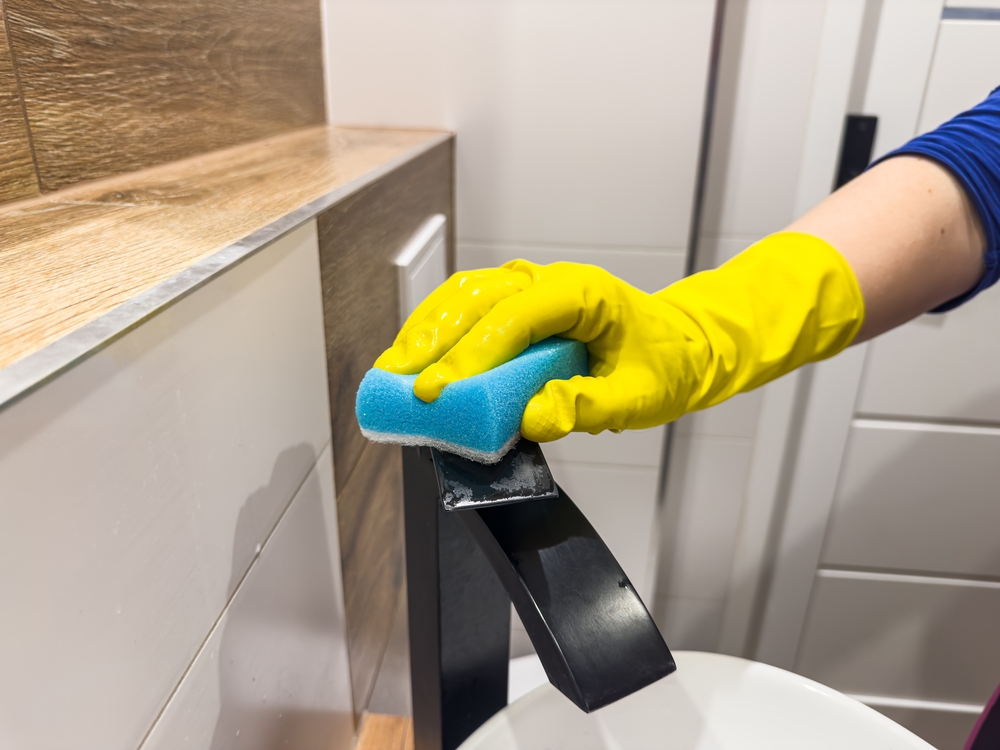
phClean helps homeowners tackle the detail work that often gets missed during everyday cleaning. Our team focuses on the areas that make the biggest difference in how fresh a home actually feels, including faucet bases, sink edges, bathrooms, kitchens, and other high-use surfaces.
We provide detailed residential cleaning designed to reduce buildup, improve consistency, and help homes stay cleaner between visits. Whether you need recurring services or help catching up on overlooked areas, our team is here to help. From homes near Sayorville Lake to surrounding neighborhoods throughout Ankeny, we help homeowners keep high-use spaces consistently shiny and easier to maintain. Get in touch with us today and make your space sparkle!